With its new emissions trading system, the EU will introduce carbon pricing for buildings and road transport (ETS2): energy suppliers are required to purchase a certificate for every emitted ton of CO2 in these sectors. Revenues from the auctioned certificates are estimated to generate between EUR 342 billion and EUR 570 billion by 2032, which Member States must invest in climate change mitigations and social cushioning measures. The ETS2 aims to contribute to the reduction of greenhouse gas emissions by 55% by 2030 and the overall achievement of the EU climate targets.
How can Member States use their revenues to support an ambitious and equitable path to decarbonisation? To answer this question, revenue use from ETS1 – which already covers emissions from the sectors of electricity and heat generation, energy-intensive industries, aviation, and maritime transport – can be examined.
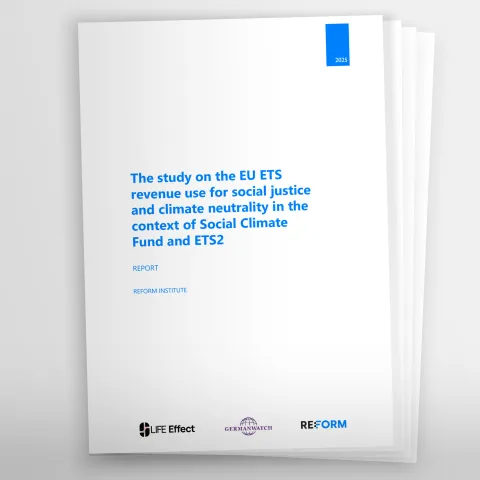
What can we learn from ETS1 revenue investments? This is the central research question of a new study by Reform Institute, commissioned by Germanwatch under the LIFE EFFECT Programme. The study investigates how revenues from ETS1 have been invested in the five countries with the most emissions in the ETS2 sectors: Germany, Poland, Spain, Italy, and France. Using a mixed-methods approach – combining quantitative data analysis, stakeholder interviews, and comparative policy evaluation – the research offers robust insights into spending patterns, climate impact, and policy effectiveness across EU Member States. The aim of the study is to identify best practices and policy recommendations to guide future investments under ETS and the Social Climate Fund.


The Life-Effect project is co-funded by the European Union. The views and opinions expressed are solely those of the authors and do not necessarily reflect those of the European Union or CINEA. Neither the European Union nor the granting authority can be held responsible for them.